
This coming Thursday, quarterbacks Jared Goff and Carson Wentz can expect to hear their names called first and second to open up the 2016 NFL Draft. Though players at their position frequently headline the annual collegiate selection meeting, they hold a special distinction. Both of the teams expected to select them, the Los Angeles Rams and Philadelphia Eagles, did not originally own the top two selections. Rather, they traded up for the opportunity to take the potential franchise quarterbacks, joining a lengthy list of clubs that mortgaged the future for the game’s most important position, a risk that has rarely paid off.
The Rams’ move up the draft made NFL history, as no team had ever traded up to No. 1 from such a great distance (14 spots back). In addition to the 15th overall pick, the deal cost Los Angeles next year’s first-round choice, two second-round selections (Nos. 43 and 45) and two more in the third round (No. 76 and another in 2017). General manager Les Snead has effectively put his job on the line for a quarterback, most likely Goff, as the move decimates the team’s ability to acquire young, cheap talent for the foreseeable future.
Meanwhile, the Eagles dealt five draft choices for the No. 2 pick. Immediately, the trade cost the team the No. 8 pick, a third-rounder (77th overall) and another in the fourth (100th overall). Philly also gave up next year’s first- and fourth-round selections as well as another in the second round of 2018.
While the buzz surrounding the Rams and Eagles has reached a fever pitch, history suggests they won’t like the end result. Over the last 10 drafts, teams have traded up in the first round to select a quarterback nine times. Of that group of signal-callers, only two remain with their original employer. Worst, all but three fall firmly into the bust category.
[Join the discussion in the BSL forums here]
From 2006 through 2010, NFL teams couldn’t help but trade up for QBs. Six franchises made the move during that span, resulting in the selections of Jay Cutler, Brady Quinn, Joe Flacco, Mark Sanchez, Josh Freeman and Tim Tebow chronologically. Quinn, Freeman and Tebow have already left the league, with Sanchez now playing for his third team in four seasons.
The back half of this 10-year sample includes just three names: Blaine Gabbert, Robert Griffin III and Teddy Bridgewater. Gabbert and Griffin each lasted four years or fewer with their original teams, with the latter spending the entire 2015 season inactive.
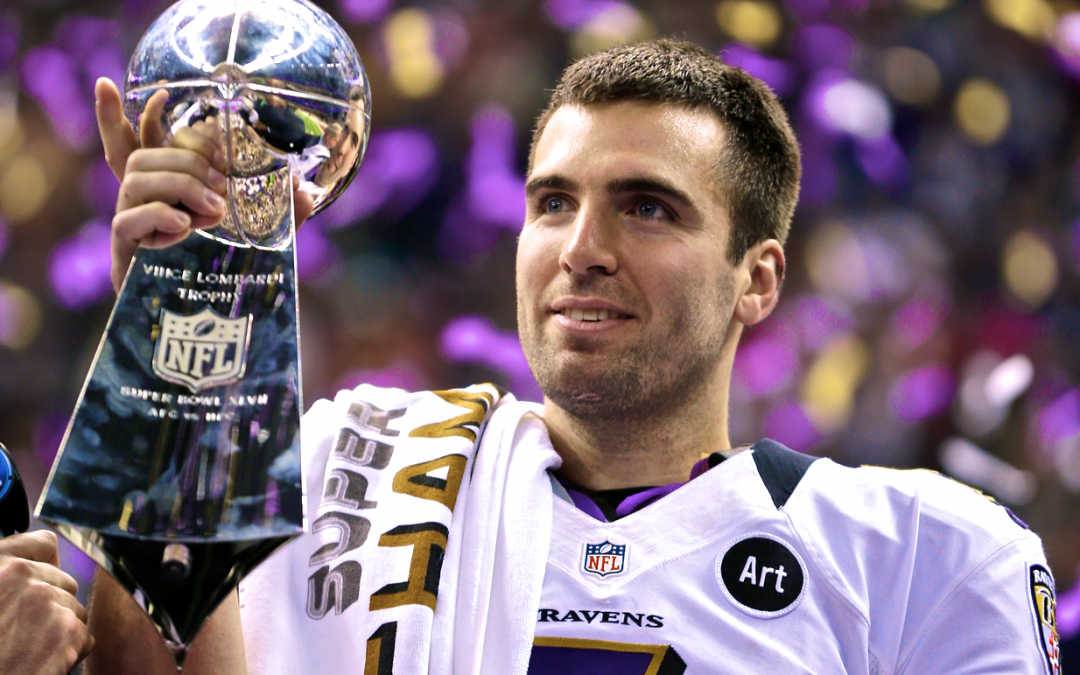
Flacco makes up the cream of the mostly unimpressive crop. Selected 16th overall in 2008 by the Baltimore Ravens, Flacco has developed into a highly skilled, if occasionally frustrating, passer with strong marks for his performance in the postseason. In 2012, he put together one of the better playoff runs in recent league history, pushing the Ravens to their first Super Bowl win in over a decade. Though a handful of quarterbacks outclass him, Baltimore can continue competing for titles for as long as he remains healthy.
After Flacco, Bridgewater and Cutler represent the other non-mistakes from this group. In his two years with the Minnesota Vikings, Bridgewater has flashed brilliance as a thrower, though he remains inconsistent. Still, the Louisville product has plenty of potential for growth and doesn’t turn 24 until November.
Cutler meanwhile represents a finished product, and by most estimations a rather uninspiring one. His first team, the Denver Broncos, traded him away after just three years. Cutler’s current club, the Chicago Bears, have flirted with dealing him away as well. That said, Cutler has clearly separated himself from the bottom seven quarterbacks in this group.
Does the poor track record of trading up in the first round for a quarterback doom the Rams and Eagles to more struggles under center? Of course not. Either franchise could have the right match of scheme, coaching and supporting cast to set the prospects up for successful careers. However, the chances of even one of the two teams landing their long-term solution at quarterback don’t appear strong. Identifying and developing a quality player at the position poses considerable challenges under normal circumstances. Giving up a bevvy of premium picks only makes it more difficult for those signal-callers to succeed.

Jason B. Hirschhorn is an award-winning sports journalist and Pro Football Writers of America member. He has bylines at NFL.com, SB Nation, Sports Illustrated, and other outlets.